Seabed classification
For seabed classification we use operational imaging methods and develop innovative classification methods.
SACLAF
DIVA
CLASS
Echo sounder
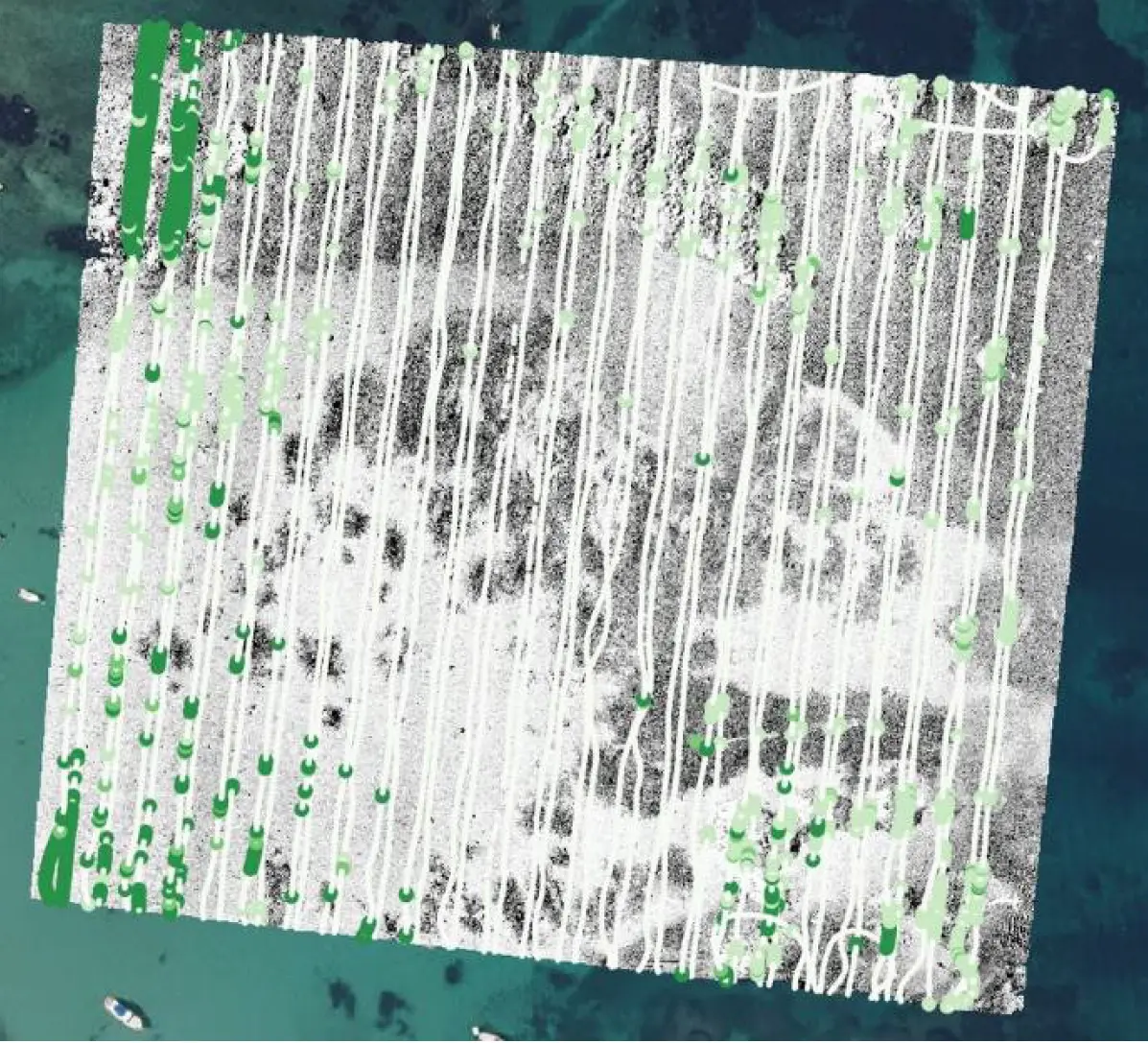
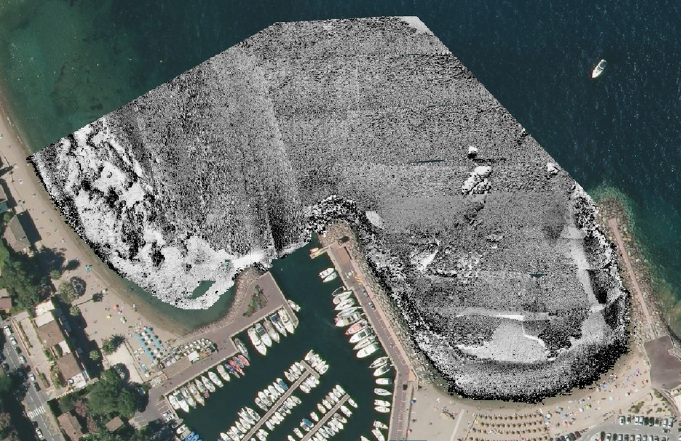
SEMANTIC TS uses side-scan sonars to acquire seabed imagery. Side-scan sonar uses sound waves to produce detailed, georeferenced acoustic images of seabed reflectivity.
SEMANTIC TS owns several side-scan sonars, towed or hull-mounted, with different resolutions, and uses the system best suited to the information required.
Seabed imaging and classification
SEMANTIC TS’s work on seabed classification led to the development of innovative SACLAF systems (automatic acoustic seabed classification systems). The system is coupled to an acoustic sounder mounted under the vessel’s hull. The sounder emits an acoustic wave that reflects off the seabed and returns to the surface. The wave is altered according to the nature of the seabed.
These systems help interpret georeferenced images. They are particularly useful when operated simultaneously with sonars: they do not increase offshore acquisition costs but provide complementary information that reduces the need for ground truth.
SACLAF and echo sounder
SACLAF DIVA
Acoustic vertical detection and inspection
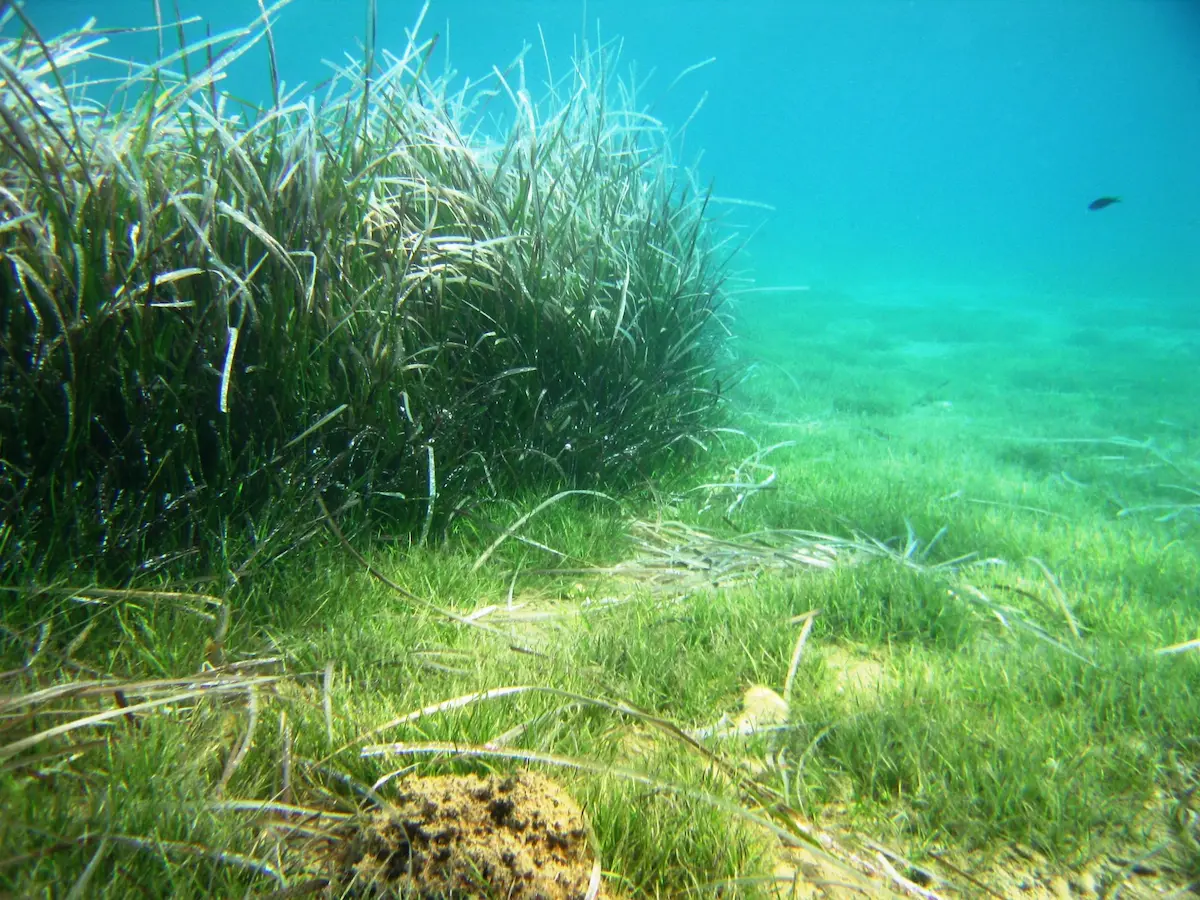
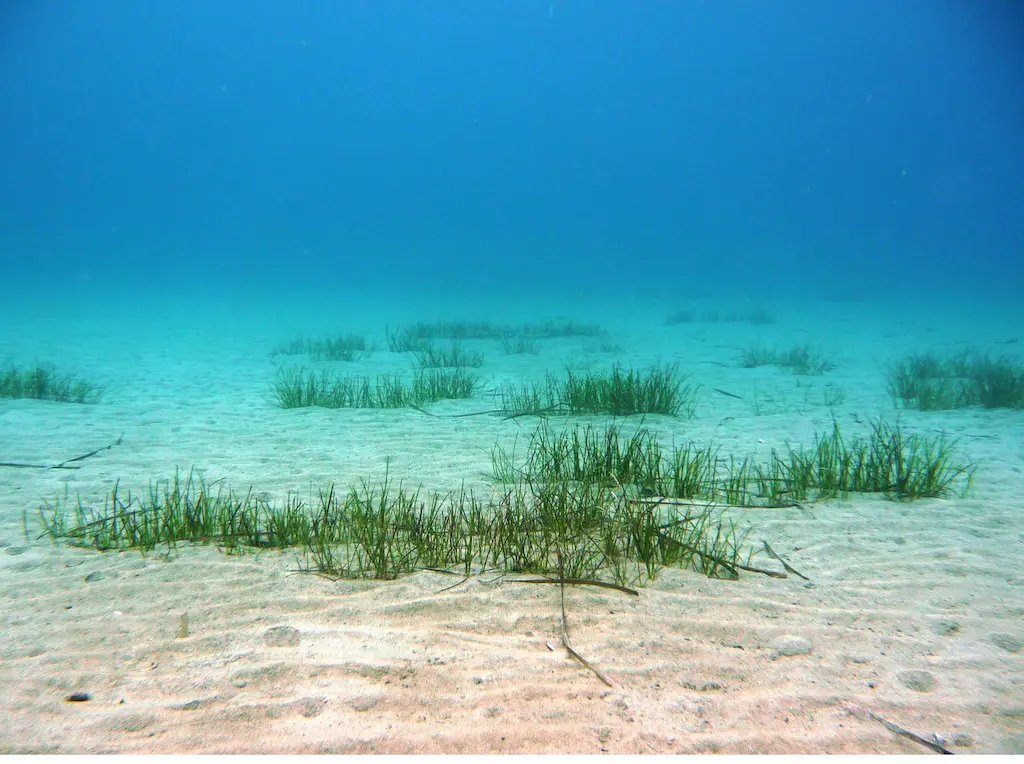
An innovative method developed by SEMANTIC TS for acoustic detection vertically below the vessel. It is dedicated to underwater vegetation: Posidonia, Cymodocea and eelgrass meadows, and kelp.
Learn moreSACLAF CLASS
Surface sediment classification
Developed by SEMANTIC TS using a SIMRAD echo sounder, the CLASS method provides information on surface sediment roughness. The algorithm uses the shape of the first two echoes reflected by the seabed: the first indicates seabed roughness and the second its hardness.
Sediment sounder
A sediment sounder is an echo sounder operating at very low frequency. It provides information about sediment layers.
Added value
- Provides bathymetry at the same time.
- Works at all depths: in very shallow water where towed equipment cannot go, and in deep water where it is difficult to send divers.
- Operates simultaneously with other equipment (sonar, multibeam echo sounder, etc.).
- Works day or night, regardless of current, temperature or water turbidity.
- Extremely simple to operate, like navigation: no people or equipment need to be deployed in the water.
- Near-real-time processing allows rapid repositioning, optimising surveys.
- Information is stored and the process can be repeated, which is useful for monitoring change.
- Low operating cost: no additional cost when used alongside a multibeam echo sounder or side-scan sonar.
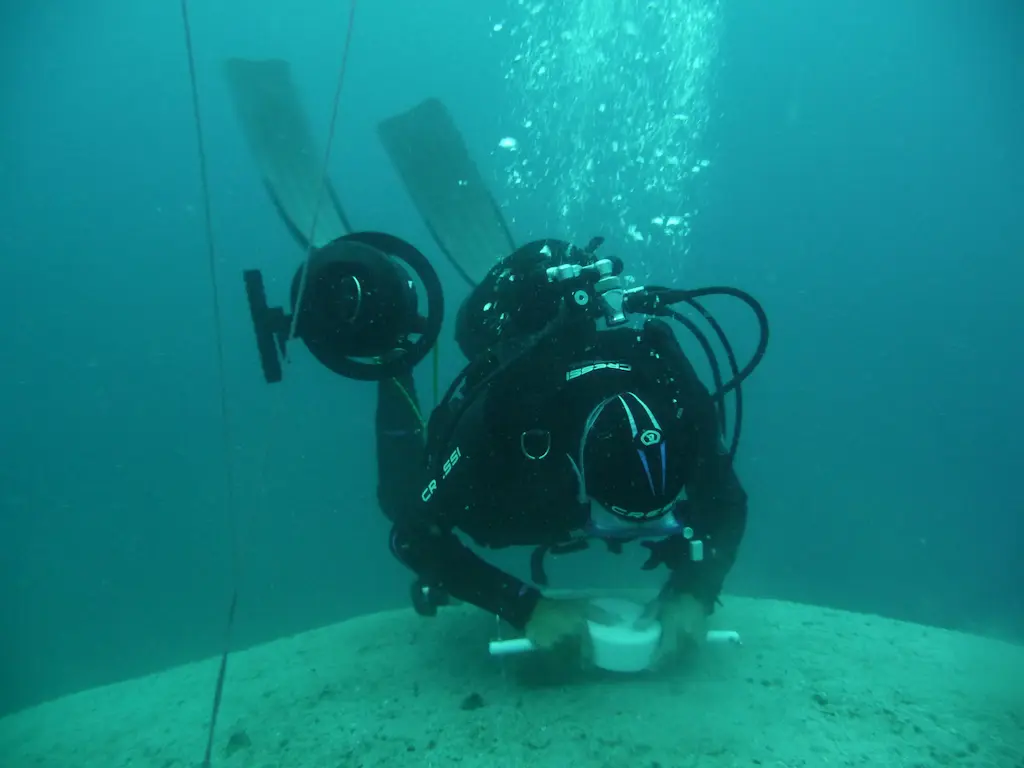
Sediment sampling
SEMANTIC TS carries out sediment sampling, particle-size measurements and pollutant analyses in collaboration with certified laboratories. Samples are collected using a Van Veen grab or by divers using a hand corer.
Discover more
Contact us
Contact fields: Name, Email address, Message.
Address: 1142 Chemin St Roch, 83110 Sanary-sur-Mer, France
Email: contact@semantic-ts.fr
Phone: +33 4 94 88 24 58